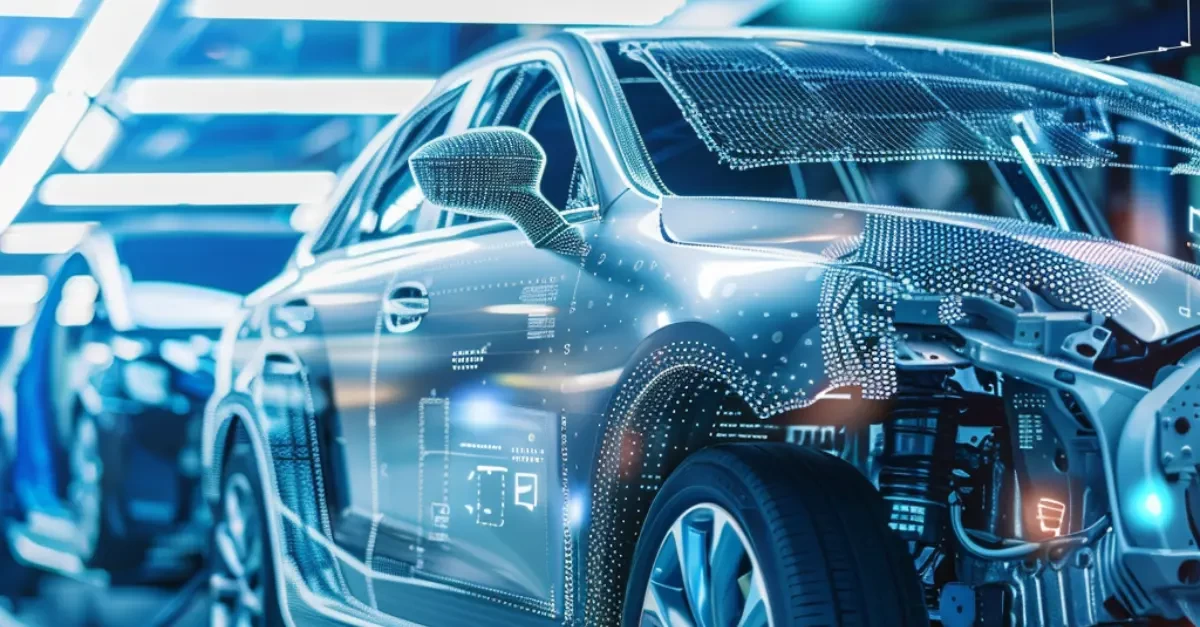
The automotive industry stands at the cusp of a profound transformation, driven by rapid technological advancements, evolving consumer preferences, and shifting regulatory landscapes. As we look toward 2025, it is clear that automotive companies must embrace innovation to stay competitive and sustainable in an ever-changing environment. From electrification and autonomous driving to digitalization and sustainability, the path forward is complex but filled with tremendous opportunity. To successfully navigate this transformation, automotive companies must adopt a range of best practices that not only address current market demands but also prepare for future challenges. In this article, we explore the best practices for automotive transformation in 2025, focusing on technology integration, sustainability, customer experience, and workforce development.
1. Embracing Electrification: The Core of Future Mobility
As the world accelerates its efforts to combat climate change, the push for electric vehicles (EVs) has become one of the central tenets of automotive transformation. By 2025, the automotive landscape will likely see a substantial increase in the demand for EVs, driven by tighter emissions regulations, evolving consumer preferences, and advances in battery technology. To stay ahead of the curve, automotive companies must fully embrace electrification, not just as a trend but as the core of their strategy for the future.
Best practices in this space involve a multifaceted approach, beginning with substantial investments in electric vehicle production capabilities. This means ramping up research and development (R&D) efforts to design and manufacture more efficient, longer-range electric vehicles that can compete with traditional internal combustion engine (ICE) models. Companies should also focus on the development of battery technologies, including innovations in solid-state batteries that promise improved energy density, faster charging times, and longer life cycles.
Moreover, automakers must work closely with governments, energy providers, and infrastructure developers to build out the necessary EV charging infrastructure. Collaborating on creating a robust and accessible charging network will remove one of the biggest barriers to EV adoption, helping customers transition more smoothly to electric vehicles.
2. Integrating Autonomous Technology: Preparing for a Driverless Future
Autonomous driving technology is poised to revolutionize the automotive industry by 2025. While full autonomy may not be ubiquitous by this time, significant advancements will occur in the development and deployment of Level 3 and Level 4 autonomous systems, where vehicles can operate autonomously in certain environments and conditions. To ensure they remain competitive, automakers must prioritize the integration of autonomous technologies into their vehicles.
Best practices for the integration of autonomous technology include not only investing heavily in R&D but also collaborating with technology companies, startups, and universities specializing in artificial intelligence (AI), machine learning, and sensor technologies. Partnerships in this space will be crucial for accelerating the development of safer and more efficient autonomous systems.
Automotive companies must also focus on building regulatory relationships with government bodies to navigate the complex legal and safety frameworks surrounding autonomous vehicles. Ensuring that their technologies meet global safety standards and comply with evolving regulations will be key to gaining consumer trust and achieving widespread adoption.
3. Fostering Sustainability: From Manufacturing to End-of-Life
Sustainability is no longer a mere buzzword; it has become a critical driver of automotive transformation. By 2025, the automotive industry will be under increasing pressure to reduce its carbon footprint across all stages of a vehicle’s lifecycle, from production to end-of-life disposal.
Best practices for sustainability in the automotive sector start with sustainable manufacturing. Automakers must focus on reducing the environmental impact of their production processes, including cutting energy consumption, reducing waste, and sourcing materials responsibly. The use of recyclable and renewable materials in vehicle production—such as bio-based plastics and lightweight metals—will be essential to reduce a vehicle’s carbon footprint.
Additionally, companies should invest in sustainable supply chains, ensuring that the raw materials used in electric vehicle batteries, such as lithium, cobalt, and nickel, are ethically sourced and produced in environmentally responsible ways. The push for sustainable materials will extend beyond just vehicles; automakers must also assess the carbon footprint of their logistics and distribution operations to minimize emissions throughout the entire supply chain.
At the end of a vehicle’s life, automakers must develop more efficient recycling programs for electric vehicle batteries and other components to prevent hazardous materials from entering landfills and encourage a circular economy. By embracing these sustainable practices, automotive companies can not only comply with environmental regulations but also build stronger connections with eco-conscious consumers.
4. Enhancing Customer Experience Through Digitalization
As digital technology continues to reshape the automotive industry, creating seamless and personalized customer experiences will be a fundamental best practice for automakers in 2025. Consumers are increasingly looking for more than just a vehicle; they want an entire ecosystem of connected services that enhance their driving experience, from navigation and entertainment to vehicle health monitoring and remote diagnostics.
Automotive companies must integrate digital technologies into every aspect of the customer journey, from initial research and purchase to ownership and service. This includes offering advanced infotainment systems, over-the-air (OTA) software updates, and connectivity features that allow drivers to interact with their vehicle in new and innovative ways. The ability to update a vehicle’s software remotely, for example, not only provides convenience but also helps automakers maintain customer engagement and satisfaction long after the sale.
In addition to vehicle connectivity, companies should embrace the power of data analytics to offer personalized services. By collecting and analyzing data from vehicle usage, automakers can anticipate customer needs and offer tailored recommendations, such as maintenance reminders, personalized driving modes, or upgrades to in-car features. This will not only improve the customer experience but also strengthen brand loyalty.
Furthermore, embracing digital retail models will become increasingly important. Consumers are gravitating toward online car-buying platforms that provide transparency, convenience, and a hassle-free purchasing experience. By enhancing their e-commerce capabilities, automotive companies can meet customer expectations and capture a new generation of digital-first buyers.
5. Upskilling the Workforce: Preparing for Technological Change
As automotive companies embrace new technologies and business models, the workforce must evolve to keep pace. Best practices for workforce development in 2025 involve upskilling and reskilling employees to prepare them for the jobs of the future. This includes training in areas such as electric vehicle maintenance, autonomous vehicle technology, data analytics, and digital manufacturing.
Automakers should foster a culture of continuous learning, ensuring that employees at all levels have access to training programs that enhance their technical skills and adaptability. This can be achieved through partnerships with educational institutions, online learning platforms, and internal upskilling initiatives.
Additionally, as the workforce becomes more digitally savvy, automakers will need to embrace diversity and inclusion. A diverse and inclusive workforce not only enhances innovation but also better reflects the global customer base, helping companies develop products that appeal to a wide range of consumers.
6. Agility in the Face of Disruption
Finally, automotive companies must adopt a mindset of agility to thrive in the ever-changing landscape of 2025. The industry is increasingly vulnerable to disruption from new entrants, such as tech companies and startups focused on electric and autonomous vehicles, as well as shifting market trends and consumer demands. To succeed, traditional automakers must remain nimble and adaptable.
Best practices for fostering agility include creating flexible organizational structures that can quickly pivot to new technologies or market conditions. Automakers should also embrace open innovation models, where they collaborate with external partners to explore new business opportunities and product offerings. This could include venturing into mobility services, autonomous ride-hailing, or developing alternative forms of urban transportation.
By fostering a culture of innovation and resilience, automotive companies can turn potential disruptions into growth opportunities, ensuring their long-term success in an increasingly competitive industry.
Conclusion: Navigating the Road Ahead
The automotive transformation for 2025 will require companies to adopt a comprehensive approach that incorporates cutting-edge technology, sustainability, customer-centricity, and workforce development. By embracing electrification, integrating autonomous technologies, focusing on sustainability, enhancing the customer experience, and fostering agility, automakers can position themselves to lead the industry into a new era of innovation and growth. Those that invest strategically in these best practices will not only thrive in 2025 but also shape the future of mobility for generations to come.