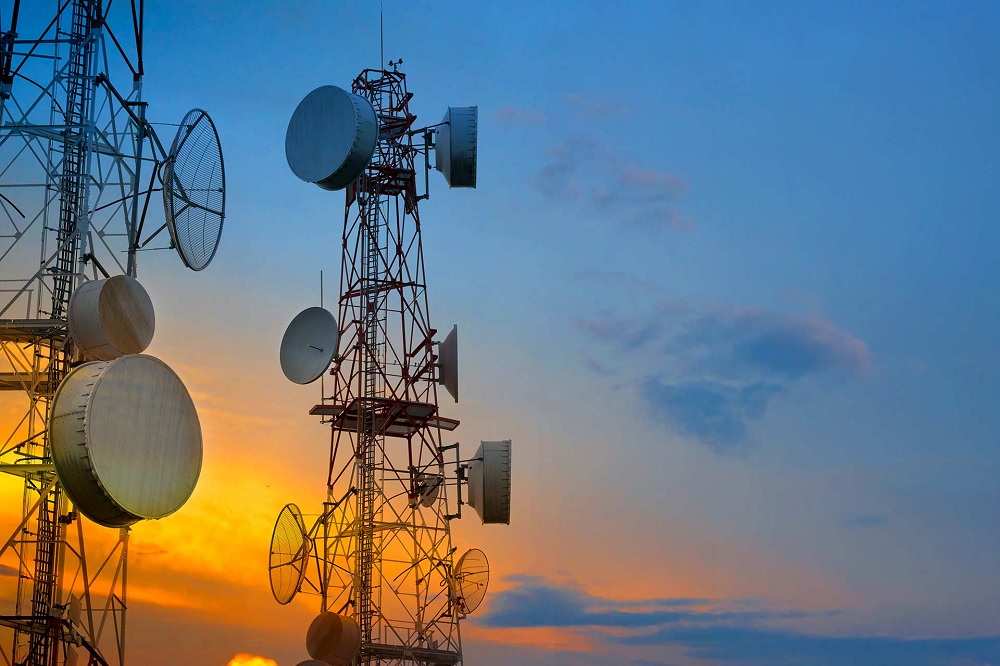
The telecommunications industry has been through tremendous transformation over the past few decades. What once started as a basic landline service has evolved into a complex, global network of interconnected devices, services, and data platforms. The rise of mobile phones, the internet, and now 5G technology has fundamentally changed the way we communicate, work, and live. However, the evolution of telecom is far from over, and experts continue to predict new shifts that could further revolutionize the industry. While many are aware of the technological advancements like 5G or the rollout of fiber optics, there are several aspects of telecom evolution that remain under the radar, but are poised to shape the future in profound ways.
1. The Quiet Rise of Telecom Convergence
One of the most significant shifts in telecom evolution is the convergence of networks, platforms, and services. Telecom companies have historically specialized in either mobile networks, broadband, or television services. However, the lines between these categories are becoming increasingly blurred, with major players merging their offerings into unified services. This phenomenon is known as telecom convergence, and it’s more significant than many realize.
Industry experts argue that telecom convergence is not just a matter of bundling services into packages (such as cable TV, internet, and mobile phones). It is about creating integrated ecosystems that deliver seamless experiences across different platforms. For instance, companies like AT&T and Comcast are increasingly offering services that combine broadband, TV, mobile, and even home security into a single cohesive offering. This holistic approach allows telecom companies to compete with tech giants like Amazon and Google, who already dominate the streaming, e-commerce, and cloud services spaces.
What’s driving telecom convergence is not only consumer demand for more integrated experiences, but also the underlying technological advancements that allow such integration to happen smoothly. Fiber optic networks, cloud computing, and software-defined networking (SDN) make it easier to deliver these converged services while maintaining quality and speed.
2. The Unsung Role of AI and Automation
Artificial intelligence (AI) and automation are undeniably changing every industry, and telecom is no exception. While most people know that AI plays a key role in customer service chatbots or predictive analytics, the full scope of AI’s impact on telecom is less understood. Experts highlight that AI’s ability to optimize network management, streamline operations, and improve predictive maintenance is a game-changer that will continue to shape the future of telecom.
For example, telecom companies are now using AI to predict and preempt network failures. Traditional networks required engineers to manually monitor performance, but AI-powered systems can instantly detect anomalies in the system and predict potential issues, minimizing downtime and operational costs. This is particularly important as telecom companies deal with the massive traffic increases caused by high-bandwidth applications like streaming, gaming, and video conferencing.
Automation also plays a role in improving customer service and network management. Self-healing networks, driven by AI, can automatically adjust themselves when traffic loads increase, ensuring stable performance without human intervention. This shift not only leads to better user experiences but also reduces operational overhead. Automation allows telecom providers to do more with fewer resources, increasing profitability while enhancing service delivery.
3. 5G: More Than Just Faster Speeds
While the hype around 5G is undeniably widespread, experts point out that the real power of 5G lies not just in faster speeds, but in its ability to enable the next generation of applications and services. 5G networks promise ultra-low latency and high reliability, which are essential for innovations such as autonomous vehicles, smart cities, and the Internet of Things (IoT). What many fail to realize is that 5G’s true impact is in the broad range of industries it will transform—not just telecom.
For instance, in healthcare, 5G will allow for the real-time transmission of high-quality medical data, enabling remote surgeries and telemedicine on a scale never before possible. In manufacturing, it will enable fully connected factories where machines, robots, and human workers interact in real-time. This will streamline production, improve quality, and even reduce costs. 5G is also pivotal in the development of smart cities, where everything from traffic lights to waste management can be interconnected and optimized for efficiency.
Additionally, the deployment of 5G will lay the foundation for even more radical technologies, such as augmented reality (AR) and virtual reality (VR). As these technologies require significant bandwidth and low latency to work effectively, 5G will provide the infrastructure necessary to support them. Experts argue that 5G should not just be seen as a consumer upgrade; it’s a key enabler of technological revolutions across multiple sectors.
4. The Green Shift: Telecom’s Role in Sustainability
While the telecom sector has long been associated with high energy consumption—due to the enormous infrastructure required to power global networks—experts say that a green revolution is underway within the industry. Telecom companies are increasingly focusing on sustainability, reducing their carbon footprint, and incorporating green technologies into their operations.
In fact, many major telecom providers have set ambitious goals for sustainability. Companies like Vodafone and Telefónica are leading the way by transitioning their networks to renewable energy sources, including solar and wind power. They are also working on reducing the energy consumption of their data centers and deploying energy-efficient hardware. This movement toward a more sustainable telecom ecosystem is not just driven by regulatory pressures, but by growing consumer demand for environmentally responsible businesses.
Additionally, 5G and other advancements are pushing the envelope on energy efficiency. The new network architecture of 5G is designed to be more energy-efficient than its predecessors. Telecom companies are also adopting virtualization technologies, where network functions are handled by software rather than hardware, which helps reduce energy usage. The future of telecom, according to experts, is intertwined with global sustainability efforts, and the industry is beginning to understand its role in combating climate change.
5. The Quiet Transformation of Telecom Customer Service
While customer service in telecom has historically been one of the most frustrating aspects of the industry, experts note that significant improvements are on the horizon. With the integration of AI and machine learning into customer service operations, telecom companies are shifting from reactive service models to proactive, personalized experiences.
In the past, customers would have to call a call center or visit a retail location to resolve issues, leading to long wait times and frustrating experiences. Today, AI-driven chatbots and virtual assistants can handle a wide range of issues instantly, from account management to troubleshooting. Machine learning algorithms predict customer needs based on usage patterns and proactively address issues before they escalate into problems.
Telecom companies are also embracing self-service portals and apps that allow customers to manage their accounts, troubleshoot common issues, and even receive personalized recommendations. In the future, experts predict that telecom companies will further innovate by using AI to anticipate service disruptions, automatically notify customers, and offer real-time solutions. This customer-centric approach, driven by technology, will significantly improve customer satisfaction and retention.
6. The Importance of Data Privacy and Cybersecurity
As telecom companies collect and manage vast amounts of personal and sensitive data, cybersecurity and data privacy have become top priorities. Experts stress that telecom companies must invest in robust security measures to protect their networks and customers from the growing threat of cyberattacks.
With the rapid rollout of 5G and IoT devices, the number of connected devices in telecom networks is set to explode, creating new entry points for hackers. Telecom companies must therefore implement advanced encryption, multi-factor authentication, and continuous monitoring to safeguard sensitive data. Moreover, in an era of heightened concern over privacy, consumers expect telecom companies to handle their personal information with the utmost care.
Telecom providers are also navigating complex data protection regulations, such as the General Data Protection Regulation (GDPR) in Europe and similar laws worldwide. As data privacy continues to be a major concern for consumers, telecom companies that lead in protecting their customers’ data will have a distinct competitive advantage.
Conclusion: The Future of Telecom Evolution
The evolution of the telecom industry is more intricate and far-reaching than many realize. From the quiet convergence of services and the rise of AI-powered automation to the sustainability shift and the transformative power of 5G, the telecom landscape is changing in ways that will reshape industries and societies at large.
As telecom companies continue to innovate, they must stay attuned to these under-the-radar trends to position themselves for long-term success. Embracing technological advancements, prioritizing sustainability, enhancing customer experiences, and ensuring robust security will all be crucial to achieving sustainable growth in the years to come. By keeping an eye on these evolving trends, telecom companies will not only stay ahead of the competition but also shape the future of communication on a global scale.